You have laid the foundation, raised the walls, and put a roof over your head. The structure is standing. But a house is not yet a home until the finishings are done. This final phase of construction transforms a bare shell into a comfortable, functional, and beautiful living space. It is also the stage where many builders, exhausted by the long journey, make hasty decisions that they later regret.
The finishings phase covers everything from plastering and painting to flooring, electrical fittings, plumbing fixtures, doors, windows, and the countless small details that make a house liveable. While the sub-structure and super-structure are about strength and durability, the finishings are about comfort, aesthetics, and daily functionality.
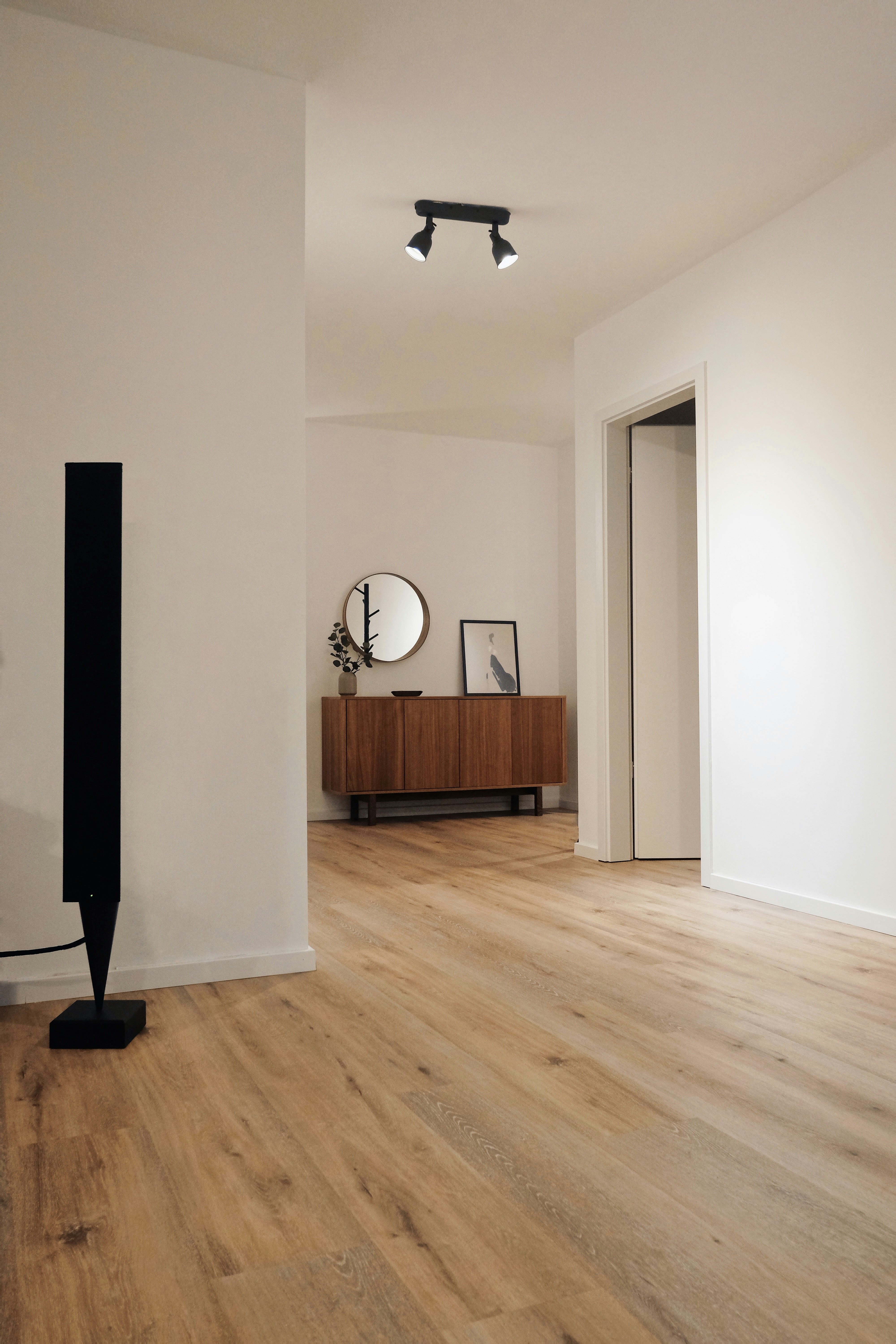
The challenge with finishings is that they are deceptively expensive. Many first-time builders in Uganda budget heavily for the structural work but underestimate how much the finishings will cost. It is not uncommon for the finishings to consume 30–40% of the total building budget. If you are not prepared for this, you may find yourself living in a half-finished house for months—or even years—while you save up to complete the work.
Plastering and Rendering
Once the walls are up, they need to be plastered to create a smooth, even surface ready for painting. Plastering may seem straightforward, but the quality of this work has a direct impact on the final appearance of your home. Uneven plaster leads to uneven paint, visible patches, and an overall rough appearance.
Auntie Barbara once supervised a project where the homeowner hired an inexperienced plasterer to save money. The walls looked acceptable at first, but within a few months, cracks appeared along the plaster lines and patches began flaking off. The homeowner had to strip the plaster and redo the entire job—at nearly double the original cost.
The lesson is clear: invest in a skilled plasterer and quality sand-cement mix. The time spent getting the walls right at this stage pays for itself in durability and appearance.
Flooring
The choice of flooring has a significant impact on both the cost and the feel of your home. In Uganda, the most common options include:
Cement screed — the most affordable option, suitable for areas where budget is tight. It is durable but can feel cold and industrial.
Ceramic tiles — a popular middle-ground choice that offers a clean, modern look at a reasonable price. Tiles are easy to maintain and come in a wide variety of styles.
Porcelain tiles — more expensive than ceramic but harder-wearing and water-resistant, making them ideal for bathrooms and kitchens.
Terrazzo — a polished, composite material that is both durable and visually striking. Terrazzo is making a comeback in modern Ugandan homes for its blend of elegance and toughness.
Vincent, ever the practical builder, chose ceramic tiles for most of his house but splashed out on porcelain for the bathrooms. He told me that the extra cost was worth it—years later, the bathroom floors still look brand new, while a neighbour who used cheaper tiles has already had to replace several cracked ones.
Electrical and Plumbing Installations
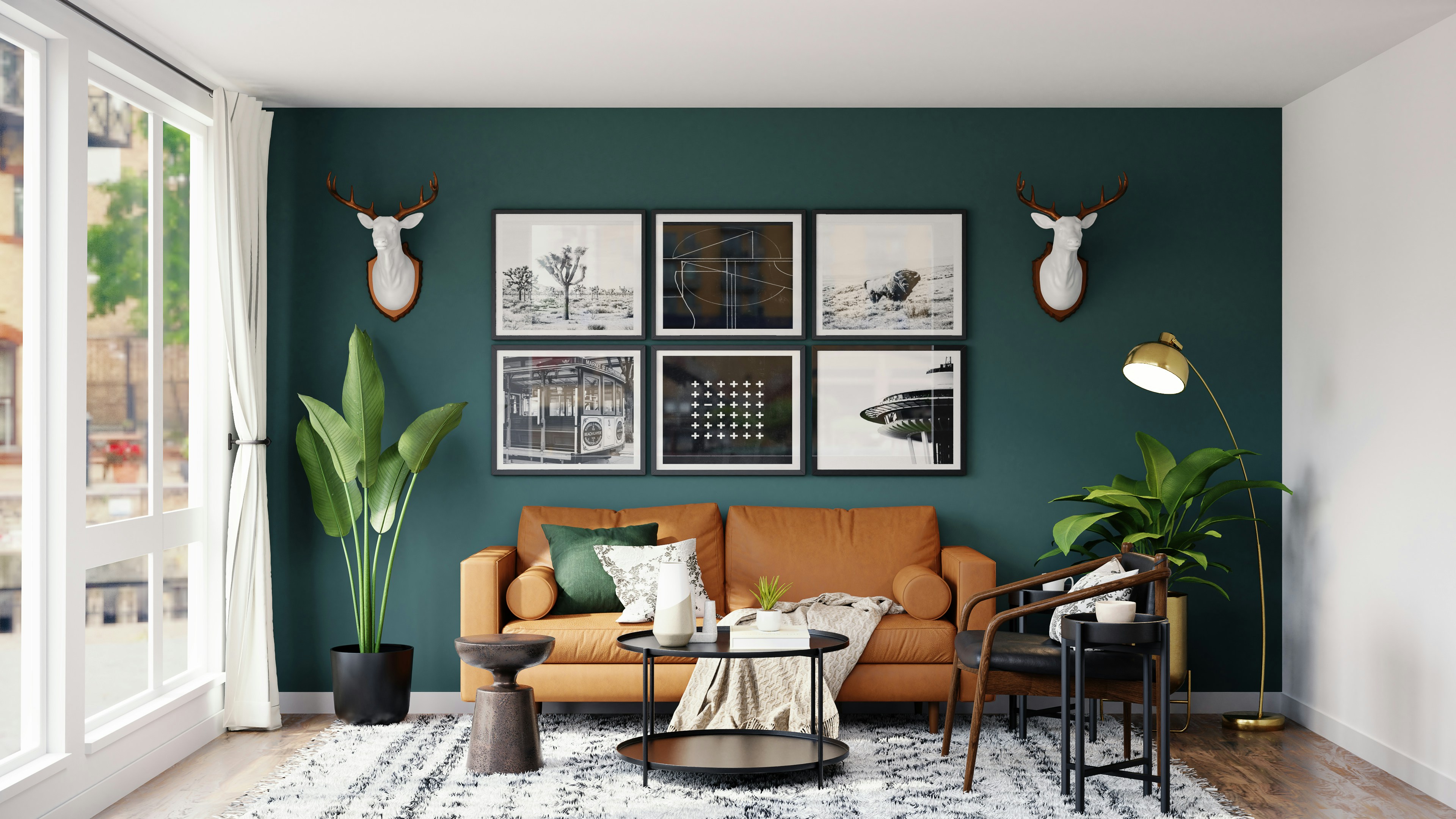
This is one area where cutting corners can be genuinely dangerous. Faulty wiring can cause fires, and poor plumbing leads to leaks, water damage, and mould. Always hire certified professionals for electrical and plumbing work, even if it costs more upfront.
Key considerations include:
Plan your electrical layout carefully. Think about where you will need sockets, switches, and lighting fixtures. It is far cheaper and easier to install wiring before the walls are plastered than to add it afterwards.
Use quality wiring and fittings. Substandard cables and switches may seem like a bargain, but they are a fire hazard and will need replacing sooner.
Install a proper water system. Whether you are connecting to the mains or using a borehole and tank, ensure the plumbing is done professionally. Consider installing water storage (overhead tanks) to manage supply interruptions, which are common in many parts of Uganda.
Think about drainage. Proper drainage prevents waterlogging around your foundation and keeps your compound clean during the rainy season.
Painting
A fresh coat of paint is what truly brings your house to life. The colours you choose will define the mood and character of each room.
A few practical tips on painting:
Apply a primer coat first. This helps the paint adhere to the plaster and provides a uniform base, which means the topcoat goes on more smoothly and lasts longer.
Use exterior-grade paint outside. Exterior walls are exposed to sun, rain, and dust. Investing in quality exterior paint will save you from having to repaint every year or two.
Don’t rush. Allow each coat to dry fully before applying the next. Two to three coats are usually needed for a lasting finish.
Doors, Windows, and Security
The doors and windows you choose affect ventilation, natural light, security, and the overall look of your home. In Uganda, the most common options are:
Wooden doors and window frames — traditional and warm in appearance, but they require regular maintenance (varnishing, treatment against termites).
Metal doors and window frames — more durable and secure, lower maintenance, but can feel less homely.
Aluminium sliding windows — increasingly popular in modern builds. They are lightweight, rust-resistant, and allow maximum light and ventilation.
Security is a top concern for many homeowners. Consider installing burglar-proof grilles on windows and reinforced doors at entry points. These additions may add to your costs but provide invaluable peace of mind.
The Compound and External Works
The finishings do not end at your front door. The area surrounding your house—the compound—also needs attention:
Fencing and gates — define your property boundaries, provide privacy, and enhance security.
Landscaping — even simple grass planting and a few trees can dramatically improve the appearance and value of your property.
Drainage channels — direct rainwater away from your foundation and prevent flooding in the compound.
Walkways and parking — paved or murram paths and a simple parking area make daily life more convenient, especially during the rainy season.
Practical Tips – Chapter 9
Budget generously for finishings. Plan for finishings to cost 30–40% of your total build budget. Running out of money at this stage is one of the most common reasons houses remain incomplete.
Prioritise safety. Always use certified professionals for electrical and plumbing work. This is not the place to economise.
Finish in phases if needed. If your budget is tight, focus first on the essentials—plastering, flooring, wiring, plumbing, and a basic paint job. Decorative finishes can come later.
Choose materials suited to your climate. Uganda’s tropical climate means high humidity and heavy rains. Select materials that can handle moisture and temperature changes.
Don’t forget the compound. A well-finished house on an unkempt plot loses much of its appeal. Budget for basic external works like fencing, drainage, and landscaping.
The finishings phase is where your vision finally becomes reality. After months—sometimes years—of planning, saving, and building, you are now putting the final touches on a place you can truly call home. Take your time, make thoughtful choices, and remember: the details matter. They are what transform a structure into a home that you and your family will enjoy for generations.
Sources
Uganda Bureau of Statistics (UBOS). Statistical Abstract 2023. Available at: ubos.org
National Building Review Board, Uganda. Building Control Regulations. Ministry of Works and Transport.