Everything in life starts as an idea in your mind, and your house is no different.
You must imagine, in as much detail as you can, where you want to build and how you want your house to look before you lay a single brick.
The challenge with imagination is that sometimes we do not know the limits or boundaries of our dreams. We may conjure up ideas that are not feasible for our context or our pockets.
In this first chapter, I provide a practical list of things to consider as you begin to nurture that germ of an idea that is your ideal house.
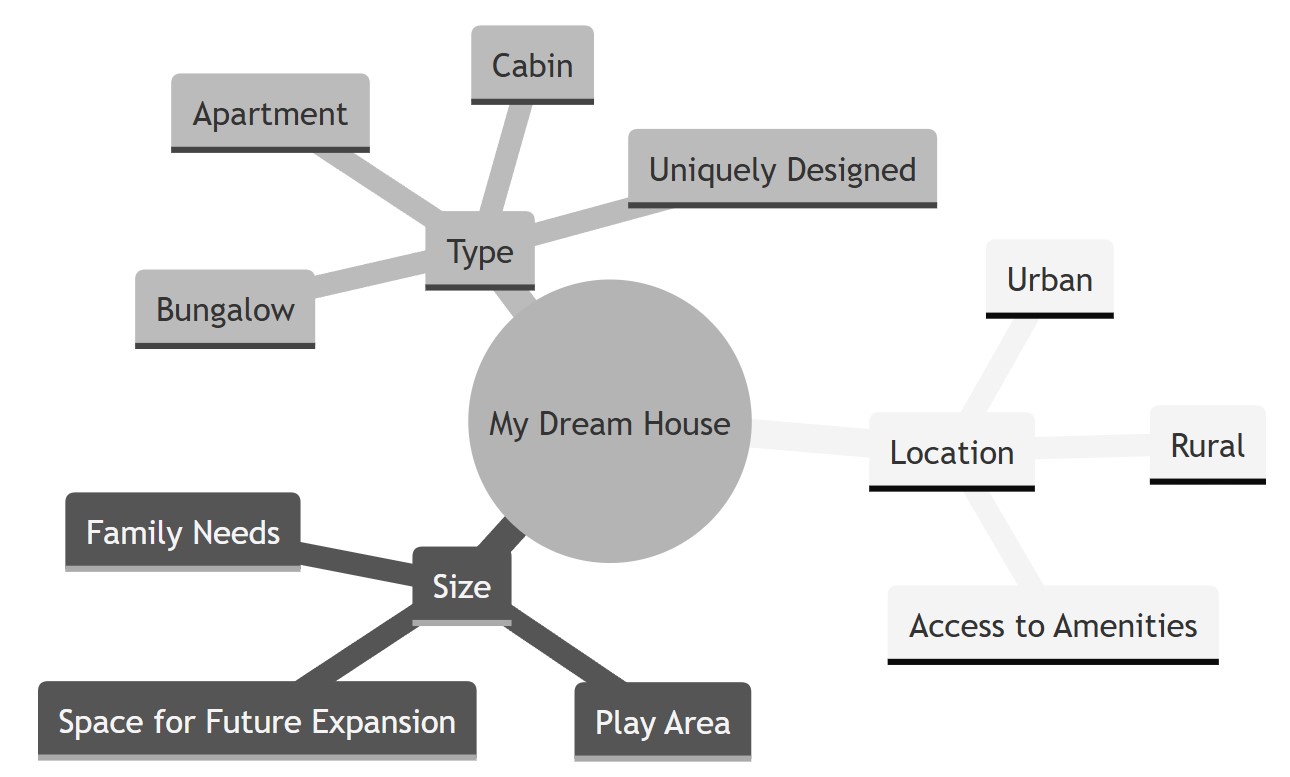
In order of priority, there are three main considerations as you imagine your ideal house:
- Location
- Size
- Type
Location, Location, Location
It is more practical to visualise a location first, before you imagine the house itself, because your grand vision for the building may not fit the plot of land it will sit on.
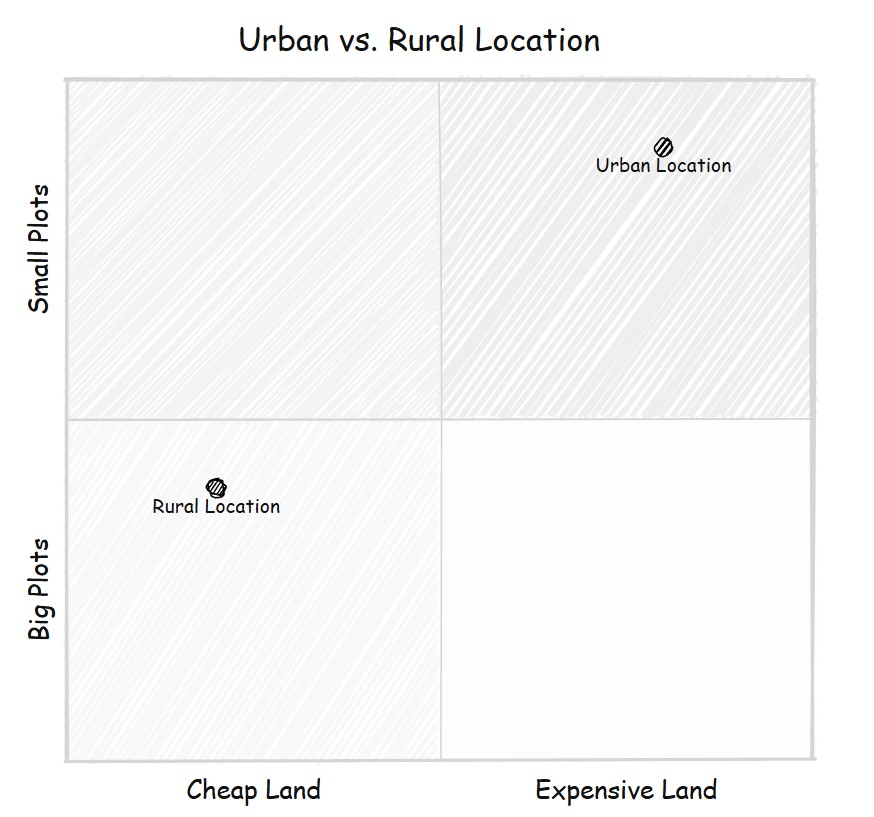
Whether you plan to build in a rural or urban area will play a big role in the size of land available to you. In addition, the price of land in these different locations is a key factor in determining how much you will have left to spend on the actual building.
I have known my friend Vincent for many years—he is an ambitious but practical man. Over the years, Vincent has built three houses for both residential and commercial use.
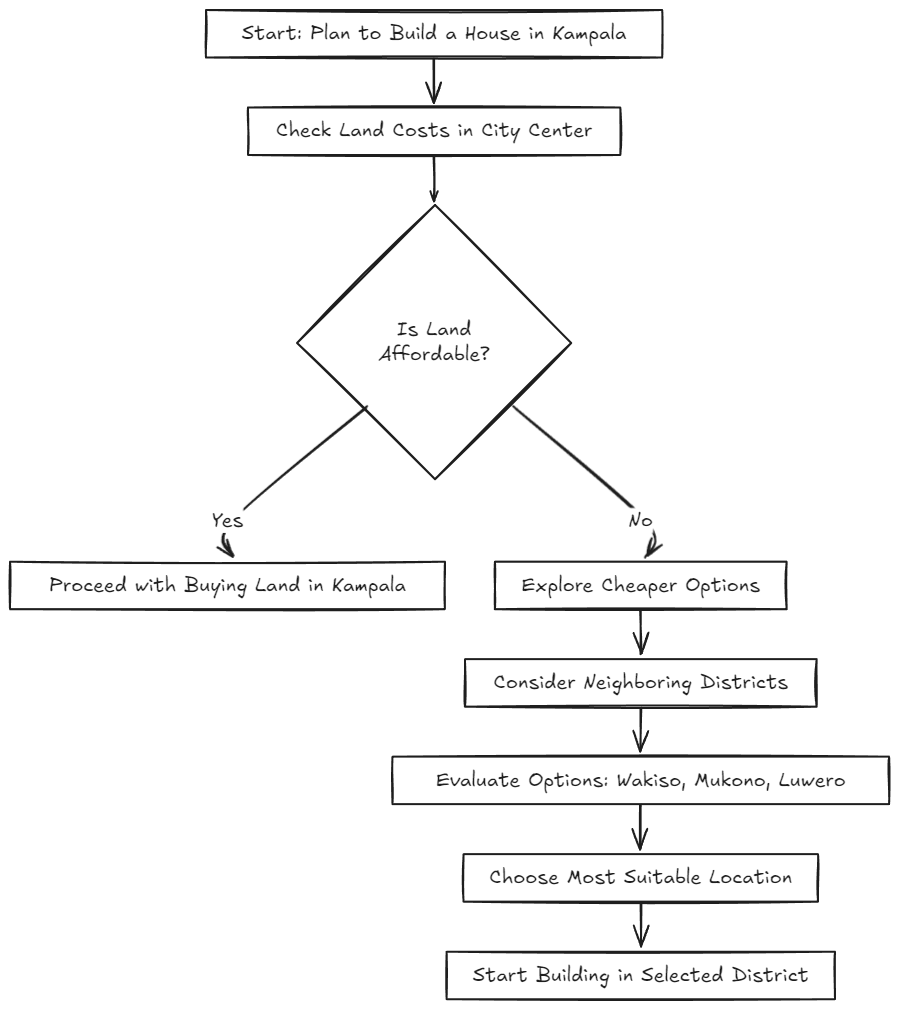
When he was starting out, he dreamed of building his first house in Kampala, the capital city. But he had to reconsider when he realised how much more expensive land becomes the closer you get to the city centre. He ended up exploring cheaper options outside the city, in the neighbouring districts of Wakiso, Mukono, and Luwero.
The location you choose will also affect the prices of common building materials—sand, stones, timber, and so on—so keep that in mind. In addition, consider how far your site is from the main road and key amenities or utilities.
Land Size Matters
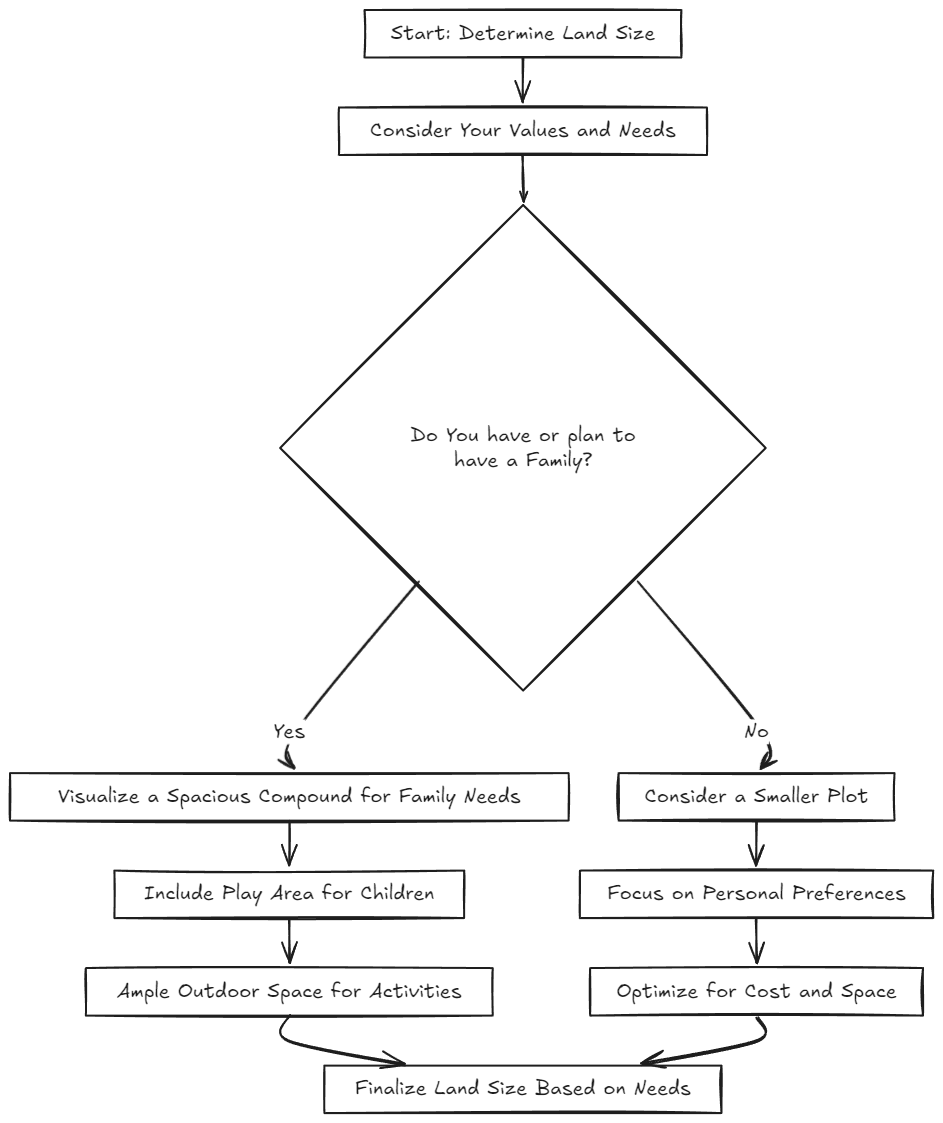
Once you have settled on a location, the next step is to think about size. How much space you need depends on your individual values and circumstances.
Vincent, being a father of three young children, envisioned a spacious compound where his kids could play freely and safely. He knew that ample outdoor space would be essential for his growing family. On the other hand, a single person with no plans to start a family might choose a smaller plot, just enough to suit their personal preferences.
So Many Types
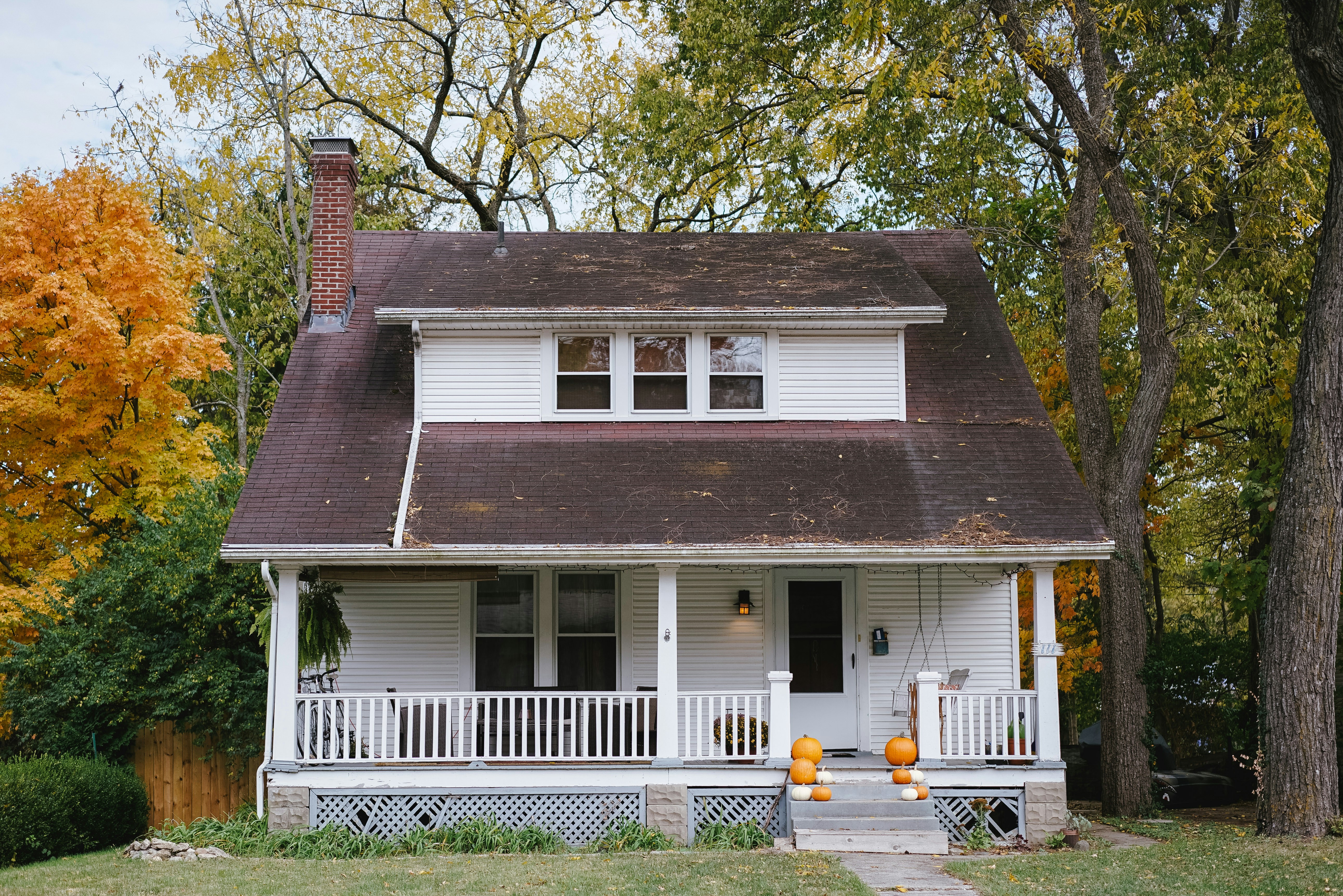
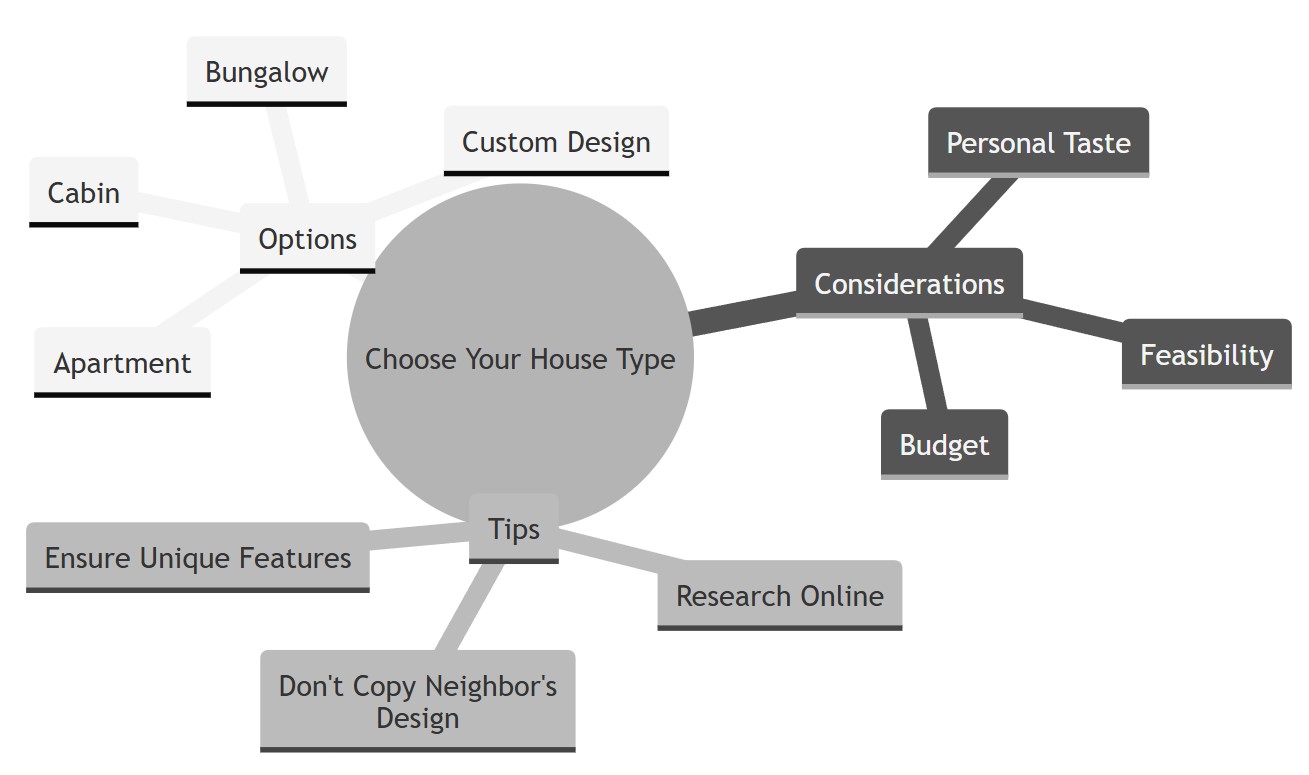
After you have a better sense of the location and size of your plot, now is the time to dream about the building itself. There are many different types of houses, and a simple search online can reveal the options and configurations available to you—cabins, bungalows, apartments, and more.
The decision on which type of house to build largely depends on your own tastes and budget, which will vary from person to person. As you visualise your own house, make sure the design is unique to you. I do not recommend simply copying your neighbour’s vision, however tempting it may be.
Practical Tips – Chapter 1
Create a notebook (hard or soft copy) to write and store all your thoughts about your dream house, detailing the ideal location, size, and type you want.
Visit the proposed location where you plan to build to familiarise yourself with the surroundings and environment. More often than not, the type of home you build will be influenced by the geography and topography—so get to know the land.
By taking the time to exercise your imagination, you will get those creative juices flowing. Building a house is an art form before it is a science.
Sources
Zsviczian, Z., 2025. Obsidian Excalidraw Plugin. Available at: https://github.com/zsviczian/obsidian-excalidraw-plugin [Accessed 18 Jan. 2025]
Mermaid.js, 2025. Mermaid.js Documentation. Available at: https://mermaid-js.github.io/ [Accessed 18 Jan. 2025]
Quarto, 2025. Quarto: Open-source Scientific and Technical Publishing. Available at: https://quarto.org/ [Accessed 18 Jan. 2025]